If you watch kratom debates long enough, you start to feel like a referee in a rainstorm. One side says kratom benefits focus, motivation, and mood. The other warns about kratom side effects, dependence, and murky marketing. Meanwhile, consumers are out there buying kratom powder, kratom capsules, and kratom shots, swapping kratom user experiences in forums, and asking very normal questions: what is kratom, how long does kratom last, how much kratom to take, is kratom legal in my state. The research gap is not just academic. It dictates safety, policy, and real habits in kitchens at 7 a.m. when someone is deciding between kratom tea and a second coffee.
We can do better than a tug of war. Future kratom studies should be explicit about priorities, thoughtful about ethics, and practical about methods. With that lens, the field can answer the questions people actually have, not just the ones that fit kratom benefits neatly into a grant abstract.
The landscape we have, and the one we need
Kratom comes from Mitragyna speciosa, a Southeast Asian tree whose leaves contain dozens of alkaloids, notably mitragynine and 7‑hydroxymitragynine. In Thailand and Indonesia, fresh kratom leaves and kratom tea have local histories that stretch back generations. In North America and Europe, kratom arrived through head shops and online retailers, usually as kratom powder in foil bags labeled with imaginative strain names like red bali kratom, green maeng da kratom, white borneo kratom, and the occasional yellow kratom. Some vendors sell kratom extract and kratom drinks. Others package kratom capsules with tidy dose counts that are easier to track than a spoonful of powder.
What we know has grown quickly but unevenly. Pharmacology studies suggest partial agonism at mu opioid receptors, interactions with adrenergic and serotonergic receptors, and distinct pharmacokinetics compared to classic opioids. Observational research points to kratom for pain, kratom for anxiety, and kratom for mood and relaxation as common self-reported reasons for use, with kratom for energy and focus also in the mix. User surveys describe kratom tolerance, kratom withdrawal, and a community practice of managing doses and rotation to reduce side effects like nausea and constipation. Toxicology reports have mixed signals, complicated by adulterants and polydrug use.
What we need is a spine of research strong enough to carry real-world decisions. That means clarity on kratom effects in typical users, dose response relationships, kratom duration and half life, risks with long-term use, interactions with alcohol and prescription meds, and the variation that the market calls kratom strains. It also means a better handle on product quality and consistency, because a cup of kratom tea brewed from a single-farm Indonesian powder is not the same thing as a high-potency kratom extract or a neon-colored shot at a gas station.
Priorities that matter in daily life
Ask users how kratom works in their routines, and you hear about timing, purpose, and trade-offs, not just raw pharmacology. Future studies ought to translate those lived patterns into testable questions.
People report different profiles by strain color. Red vs green kratom is the classic fork, with red blends associated with relaxation and sleep, and greens with balanced mood and productivity. Green vs white kratom often reads as balance versus stimulation. The names are not standardized. Yet many consumers rely on them as shorthand, like a wine label that suggests body and acidity. Research should cut through this folk taxonomy without mocking it. A sensible approach would pair chemical profiling with blinded crossover trials of red bali kratom, green maeng da kratom, and white borneo kratom sourced from authenticated lots. Track subjective kratom effects, cognitive testing for focus and productivity, and physiological readouts, then map those against alkaloid fingerprints. If we confirm that certain profiles predict consistent effects across people, great. If not, we can retire color myths with data rather than scolding.
Dosing is the second pillar. The most practical question on the ground is how much kratom to take to achieve a specific goal with minimal adverse effects. A kratom dosage guide that acknowledges body weight, tolerance, and route of administration would be priceless. Instead of one-size-fits-all advice, we need dose-ranging studies for beginners and for experienced users. Examine kratom powder versus kratom capsules versus kratom extract, and report not just averages but distributions. Capture the kratom effects timeline in detail: time to onset with and without food, peak effects, kratom duration until offset, and rebound mood or sleep. That timeline varies by product and preparation. Kratom tea may hit faster and fade sooner than capsules. Extracts can shorten onset and intensify the arc, which can raise the risk of overshooting dosage.
Duration and half life, while related, are not the same for users. Pharmacokinetics give you kratom half life for mitragynine in plasma, often in the three to nine hour range in small studies. But kratom duration in terms of perceived effects might be two to six hours for a moderate dose of a green powder, with an earlier peak for tea. People ask how long does kratom last because they want to plan their day: whether to take kratom in the morning, whether a midday dose will impact sleep, whether kratom at night will tempt a 10 a.m. slump the next day. Good studies will report pharmacokinetics and lived duration side by side, and will stratify by product, dose, and prior use.
Safety is the third priority. That includes acute side effects, chronic risks, and the pattern of kratom tolerance and withdrawal. Small, controlled trials should measure nausea rates with different dosing strategies and food timing, document constipation and hydration changes, and test basic mitigation steps like ginger for nausea, magnesium for constipation, and preloading with a meal versus fasting. Longitudinal cohorts should track liver function, endocrine markers, sleep architecture, and mental health over months. We need neutral data on dependence liability: what proportion of daily users develop meaningful withdrawal symptoms, how long those symptoms last, and what a safe kratom tolerance break looks like for different use patterns.
Finally, interactions and co-use deserve specific attention. People mix kratom and coffee in the same morning. Some combine kratom and alcohol on weekends, a pairing that may increase sedation and nausea. Others use kratom vs caffeine as a replacement experiment to reduce jitters. These are real scenarios that deserve controlled, ethically designed studies. A careful exploration of kratom and hydration would also help, because complaints about headaches and fatigue often trace back to diuretics, dehydration, and insufficient electrolytes.
Ethics: do the science without forgetting the people
Kratom research sits at the junction of harm reduction, supplement marketing, and drug policy. That is a crowded corner, and it bends ethics in at least three ways.
First, consent and context. Many users found kratom to manage pain, anxiety, depression, or stress when other options failed or caused side effects. If we recruit them into kratom studies, we carry responsibilities that go beyond a checkbox consent form. We should not yank people off stable routines without a plan, nor expose them to products they would never choose. Trials that ask participants to wash out completely need careful support including symptom management and referrals, not just a stern schedule. Conversely, studies that maintain usual use should ensure the products are tested for contaminants and that participants understand the risks.
Second, justice and representation. Kratom user demographics vary by region, income, and access. Future studies must include the people who actually use kratom, not just a narrow slice of healthy volunteers near a university lab. That includes working adults, older adults, women, and people with coexisting conditions. It also means recruiting from the kratom community without treating them as data mines. Community advisory boards can help shape protocols that match how kratom is used, not how researchers imagine it is used.
Third, policy entanglement. The question is kratom legal gets more complicated each year, with a kratom legality map that shifts by state and county. FDA and kratom warnings often focus on mislabeling and adulteration. Researchers do not set laws, but the way we frame studies changes how lawmakers and the public read the findings. When possible, preregister outcomes that matter to consumers as well as regulators, and stick to the data rather than advocating bans or broad claims of safety. If we discover contamination or serious risks, publish fast and share with regulators, but avoid conflating poor-quality products with the plant itself.

What methods actually work for this subject
Kratom science cannot rely on a single study design. We need a toolkit that includes chemical analysis, lab pharmacology, clinical trials, and real-world data.
Start with the chemistry. The kratom plant contains dozens of alkaloids, and the ratios vary by origin, harvest, processing, and storage. Mitragynine dominates in most samples. 7‑hydroxymitragynine appears at far lower levels in the plant but may form during processing or in the body. Other kratom alkaloids like paynantheine, speciogynine, and corynantheidine likely modulate effects. Future studies should profile products with LC‑MS/MS or similar methods and report alkaloid panels, not just the big two. Add tests for heavy metals, microbes, and adulterants. Without this baseline, interpreting human outcomes becomes guesswork.
On the pharmacology side, the field should continue to map kratom receptors beyond mu opioid binding, including adrenergic, serotonergic, and possibly dopamine pathways that may relate to kratom for motivation and productivity. Binding data is not destiny, but it refines hypotheses for human trials. Metabolism studies should chart the enzymes that process mitragynine, including CYP interactions that might affect prescription meds. That matters for safety and for practical advice on kratom food interactions and timing. If a meal rich in fat or grapefruit juice meaningfully shifts exposure, users should know.
Human trials should be pragmatic and staged. Small, tightly controlled studies can examine dose response in healthy adults: start low, escalate slowly, and map the kratom effects timeline with cognitive testing for focus, pain threshold measures, and mood scales. Compare powder to capsules to a standard kratom tea. Explore kratom for energy in a simulated work task, and kratom for relaxation in an evening wind-down scenario, while monitoring heart rate variability, blood pressure, and sleep. Keep the blinding credible by using active placebos when possible, because kratom sensations are noticeable and can shred a standard placebo.
Then move to specific populations. For chronic pain, compare kratom to standard over-the-counter options in a crossover design, while measuring functional outcomes like walking distance or work hours, not just pain scores. For anxiety or depression, use conservative inclusion criteria that avoid severe cases, and pair kratom with safety nets like counseling. The goal is not to anoint kratom as a cure-all, but to quantify whether there is a meaningful effect window that justifies its use for some people.
Observational cohorts plug gaps that trials cannot reach. A multi-site registry could enroll thousands of users who log their kratom daily routine, dose, product type, reason for use, side effects, and perceived benefits. Include wearable data for sleep and activity where feasible. Track how to take kratom changes over time and which patterns correlate with tolerance, withdrawal, or stopping altogether. From that, we can infer evidence-based advice on kratom frequency use, how to rotate kratom strains if rotation helps, and what a reasonable kratom tolerance break looks like in days or weeks.
Finally, qualitative research deserves space. Interviews and focus groups with kratom community discussions can tease apart myths and facts, like whether kratom color differences reflect meaningful chemistry or marketing gloss. These narratives ground the numbers and highlight edge cases, such as someone who swears by a kratom blend for sleep but develops next-day lethargy, or a shift worker who uses a small dose for alertness without touching coffee.
Practical questions researchers should answer cleanly
The most helpful studies will not bury answers in appendices. They will write clearly about basics that users search every day.
What is kratom, in plain terms, and how kratom works in the body without jargon. A short section on kratom pharmacology, kratom receptors, and kratom metabolism that a non-specialist can understand would do more good than a dozen acronyms. The explanation should connect to experience: why some people feel calm focus at low doses and sedation at higher ones, why nausea strikes on an empty stomach, and why tolerance creeps up with daily use.
Kratom dosing guidance is next. A practical kratom dosage guide would acknowledge uncertainty and emphasize ranges. It would compare methods: kratom tea may produce a faster onset and shorter duration, while capsules delay onset but can be gentler on the stomach. It would note that kratom extract increases potency and requires smaller amounts, and that kratom shots vary wildly in content. It would address how to mix kratom without clumps, how to make kratom tea that does not taste like lawn clippings, and how to store kratom to preserve potency. Storage matters. Heat and humidity can degrade alkaloids. A cool, dry pantry in an airtight container extends kratom shelf life. Does kratom expire is the wrong question. Better to ask how fast it loses potency, which likely follows months to a year depending on storage.
Then the timeline. People want to know kratom effects chart style data without a chart: onset in 10 to 45 minutes by method, peak around one to two hours, taper over two to six hours for moderate doses of powder, longer for high doses or extracts, and a residual afterglow that can help or hurt sleep depending on timing. A crisp kratom effects timeline speaks directly to best time to take kratom for different goals. Morning doses for energy and focus. Afternoon microdoses for stress without wrecking bedtime. Evening doses for relaxation or sleep, with the caveat that high doses might cloud the next morning. Precision here reduces trial and error and helps beginners avoid rough first runs.
We also need to publish nuanced safety advice. Kratom safety tips should be plain: avoid combining with other sedatives including alcohol, especially at higher doses. Start low and wait, because stacking doses too quickly is a common path to nausea. Eat a small meal first if you are prone to stomach upset, and hydrate. If constipation appears, adjust fiber and fluids rather than chasing it with higher doses. If tolerance rises, a planned tolerance break is smarter than a daily escalation. For some, that means skipping weekends. For others, a week off every two months. If withdrawal symptoms surface, they often peak within two to three days and resolve within a week for moderate daily users, though heavier use can stretch that timeline. None of this replaces medical advice, but it reflects patterns that many users describe.
Regulation, quality, and the reality of the marketplace
The rules matter. Kratom laws by state vary, and kratom regulation updates keep arriving. In some places, kratom in Thailand has moved from strict prohibition to controlled legalization with community guidelines. In Indonesia, export regulations influence supply and quality. In the U.S., the question is kratom legal depends on a patchwork and on FDA enforcement against adulterated or misbranded products. Researchers should not skirt this context. If a study uses retail products, disclose the sources, batch numbers, and test results. If a study relies on standardized products, share the specifications and make them available if possible, so other teams can replicate findings.
Quality control is the unglamorous hero here. Without it, “kratom research” becomes a moving target. A lab can report mild effects and few side effects with a low 7‑hydroxymitragynine profile, while a different team using a concentrated extract sees stronger sedation and more nausea. Both can be true, and both can mislead if the products are treated as equivalents. Clear labeling and independent testing within studies are non-negotiable. If the field heads toward a de facto standard preparation for trials, we may finally be able to compare results across sites and countries.
Strains, blends, and the color wheel
Let’s address the kratom types explained by color and origin. The market uses labels like red bali kratom, green maeng da kratom, white borneo kratom, and yellow kratom. Some vendors sell kratom blends that combine colors for balance. Users report red as relaxing and analgesic, green as balanced and mood-brightening, white as stimulating, and yellow as smooth or mild. The rational hypothesis is that these profiles reflect alkaloid ratios plus placebo and expectation. We can study this directly with blinded strain comparison. If red vs green kratom produces distinct, consistent profiles when alkaloid fingerprints are similar, expectation may be doing the heavy lifting. If differences track with measurable chemistry, we will learn which alkaloids or ratios matter.
Either way, the next era of research should retire vague strain marketing in favor of testable descriptors. Imagine buying a product labeled with a basic alkaloid spectrum and a validated profile: fast onset, short duration, mild stimulation; or slow onset, longer duration, greater analgesia. Even a two-axis map would outclass the current color code.
Interactions and lifestyle: beyond the lab bench
Kratom is not used in a vacuum. It lives alongside coffee, meals, workouts, and stress. If we ignore that, we publish sterile results that people cannot apply.
Take kratom and coffee. Some users replace caffeine with a small dose of a white or green powder for a smoother lift, avoiding jitters. Others pair them, which can sharpen focus but also increase heart rate in sensitive people. Kratom vs caffeine studies could randomize to caffeine alone, kratom alone, and the combo, then measure reaction time, anxiety, and heart rate. Kratom vs kava or kratom vs cbd pairings deserve attention too, since all three occupy the relaxation space with different mechanisms and side effect profiles.
Food matters. A fatty meal might slow onset but reduce nausea. Fasting heightens nausea risk for some. Lab studies can confirm what many have learned by trial and error and turn it into simple guidance. Hydration is another variable. Kratom and hydration patterns can shift with diuretic co-use like coffee. A basic recommendation to drink a glass of water with your dose is not rocket science, but research can quantify whether it reduces headaches and constipation.
Alcohol is a thornier case. Co-use can amplify sedation and increase injury risk. Studies should avoid encouraging the mix, yet they can still examine it with careful ethics and low doses, because people do it. Data beats moralizing, especially when the goal is harm reduction.
Data from communities, used responsibly
Some of the best insights on kratom user habits live in forums, Reddit threads, and Discord servers. These are messy, biased, and gold if handled correctly. Natural language processing can scan for common problems like nausea, insomnia, or brain fog, and for strategies that help, like ginger, magnesium, dose splitting, or switching routes. But this must be done with respect for privacy, explicit consent when possible, and transparency about how posts are used. Better yet, partner with moderators to run opt-in surveys about kratom experiences that ask for specifics, such as kratom effects timeline by product, or how to reduce kratom nausea. Pair these with small lab validations. If 70 percent of respondents say a 36-hour tolerance break restores sensitivity, test that in a controlled setting with objective measures.
Where policy meets practice
Advocacy groups and regulators often talk past each other. The FDA and kratom debate centers on safety, adulteration, and preventing misleading claims. Kratom advocacy focuses on access, consumer protections, and personal autonomy. Responsible research can help both. If studies identify clear contamination risks, set thresholds and share them. If they reveal patterns of misuse, publish prevention strategies that vendors can implement. If results show benefits in specific contexts, say so without puffery. Sometimes, the best outcome is a clear no. For example, if kratom for depression in moderate to severe cases does not outperform placebo and shows more side effects, that should guide clinical advice.
A thoughtful framework might look like this: standardized testing for products, age limits for purchase, clear labels with alkaloid content, and warnings about interactions with sedatives. Pair that with research commitments and data sharing. The kratom legality map will still vary, but the conversation can move from blanket bans or unregulated free-for-all toward a regulated supplement model with enforceable quality standards.
A credible path for beginners
Not everyone needs a double-blind trial to answer a basic question. Beginners should have access to grounded advice that reflects current knowledge.
Here is a compact, research-informed, real-world checklist for beginners deciding how to take kratom.
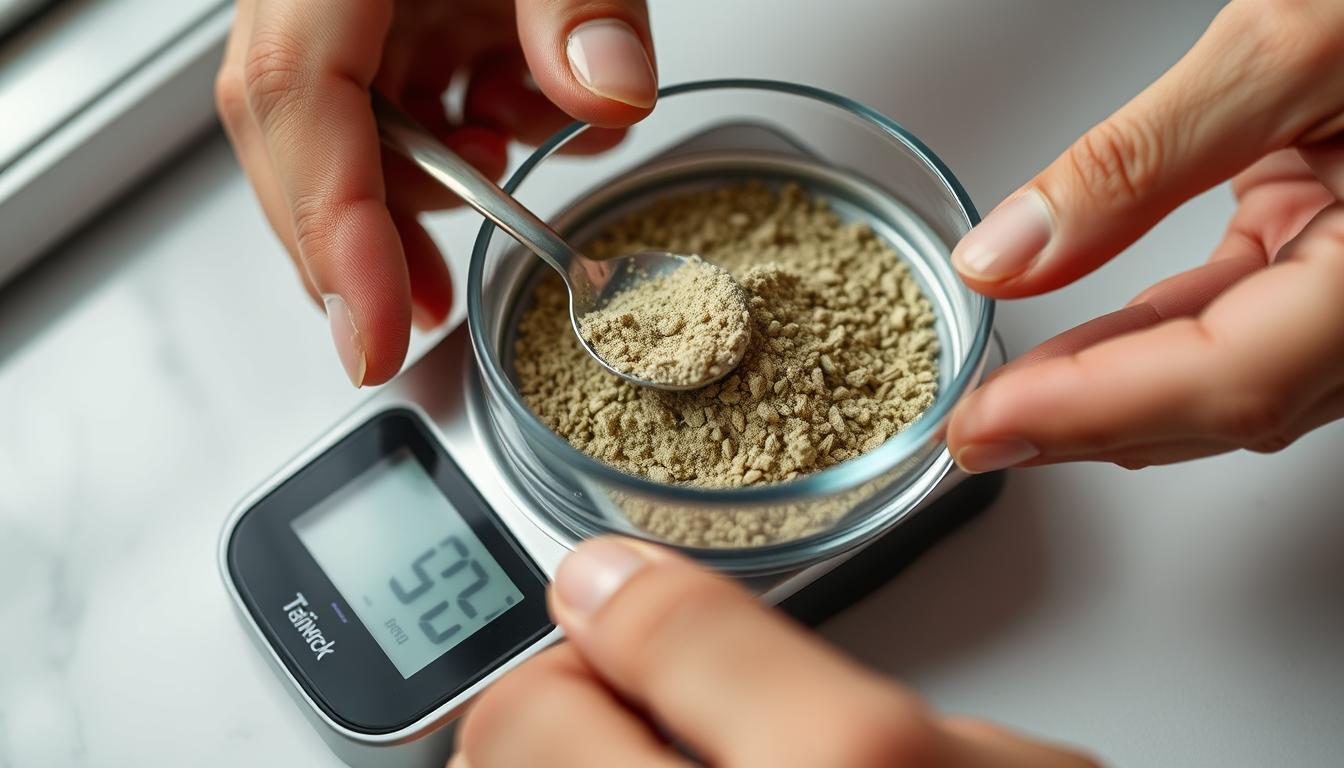
- Pick a tested product. Look for a recent lab report listing mitragynine content and showing no contaminants. Avoid unknown kratom shots or unlabeled extracts. Start with tea or capsules. For tea, 1 to 2 grams of powder steeped, with ginger and lemon to ease taste and nausea. For capsules, 1 gram to start, wait 60 to 90 minutes before considering more. Eat a small meal first, and hydrate. This reduces nausea. Avoid alcohol or other sedatives on the same day when you are learning your response. Keep a simple log. Note dose, time, product, effects at 30, 90, 180 minutes, and any side effects. Adjust slowly. Leave days off. To limit kratom tolerance, avoid daily use at first. If you decide to use daily, schedule regular tolerance breaks.
That list is not medical advice. It is a bridge between the lab and the kitchen, and it is exactly the sort of pragmatic guidance future studies can refine with numbers instead of anecdotes.
What success looks like in five years
If the field gets its act together, we will have a short stack of trustworthy answers, not just more noise. A reader should be able to say: I know what kratom is, what typical kratom effects feel like by product and dose, how long does kratom last for me given my routine, and which side effects to watch for. A clinician should be able to say: I understand kratom pharmacology, the likely interactions, and the warning signs of problematic use. A policy maker should be able to point to independent labs confirming product quality and a landscape where is kratom legal comes with sensible guardrails.
The best science keeps its promises small and its methods clean. Kratom research is ready for that approach. Tell people what we know about kratom alkaloids, mitragynine, and 7‑hydroxymitragynine. Show them the trade-offs between powder, capsules, tea, and extracts. Map the kratom effects timeline with real data across typical doses. Be honest about kratom withdrawal and tolerance, and offer tested strategies for kratom tolerance management. Study real-world combinations like kratom and caffeine or kratom and alcohol with the respect and caution they deserve. And never forget that behind every data point is a person making choices about their body, their workday, and their sleep.
When we center priorities that matter, treat ethics as the operating system, and pick methods that fit the questions, the rainstorm eases. The referee puts down the whistle. And the field finally starts to look like a science, not a shouting match.